Learning Process

How our structured courses support your painting practice

1

Enrolment and Preparation

Begin by choosing a course that matches your current level. Review the course description, materials list, and learning objectives. Ensure you have the necessary materials and a suitable workspace before starting.

Your workspace should have good natural or artificial light, adequate ventilation if using oil paints, and enough space to work comfortably. Organize your materials so they're easily accessible during lessons.

2

Video Lessons

Each course includes structured video demonstrations that break down techniques step by step. Videos are clear and well-lit, showing close-up views of brushwork and color mixing. You can pause, rewind, and replay sections as needed.

Lessons are organized progressively, building from fundamental concepts to more advanced applications. Take notes as you watch, and don't hesitate to review earlier lessons as you progress.

3

Practice Exercises

After each lesson, complete the assigned practice exercises. These exercises are designed to reinforce the techniques demonstrated in the videos. Work at your own pace—there's no deadline pressure.

Start with simpler exercises and gradually move to more complex ones. It's better to complete fewer exercises thoroughly than to rush through many. Take time to observe your work and reflect on what you're learning.

4

Self-Assessment

Regular self-assessment helps you track your progress. Compare your work to the demonstration examples and identify areas where you're improving and areas that need continued practice.

Keep a sketchbook or journal to note observations about your process, color mixing discoveries, and questions that arise. This reflection deepens your understanding and helps you remember what you've learned.

5

Optional Feedback

You may submit completed work for optional feedback from instructors. Photograph your paintings in good, even light and include a brief note about your process and any specific questions.

Feedback is constructive and specific, focusing on technique, observation, and areas for continued practice. Instructors respond within one week, providing guidance to support your continued development.

6

Continued Practice

Painting skills develop through regular practice. After completing a course, continue practicing the techniques you've learned. Revisit lessons as needed, and consider taking additional courses to build on your foundation.

Many students find it helpful to work through exercises multiple times, as each attempt deepens understanding. There's no rush—steady, thoughtful practice leads to lasting improvement.

Learning at Your Own Pace

Our courses are designed for self-paced learning. There are no deadlines or required completion dates. Take the time you need to understand each concept and complete each exercise thoroughly.

Some students complete a course in the suggested timeframe, while others take longer. Both approaches are valid. What matters is that you're learning and making progress at a pace that feels sustainable.

Building Skills Progressively

Each course builds on previous learning. If you're new to painting, start with foundation courses. If you have some experience, choose courses that match your current level and address areas you want to develop.

Don't skip ahead too quickly. Mastering fundamental skills makes advanced work more accessible. Take time to practice each technique before moving to the next level.

Support and Resources

In addition to video lessons, courses include written materials, reference images, and suggested reading. Use these resources to deepen your understanding of techniques and theory.

If you have questions about materials, techniques, or course content, contact us. We're here to support your learning process.
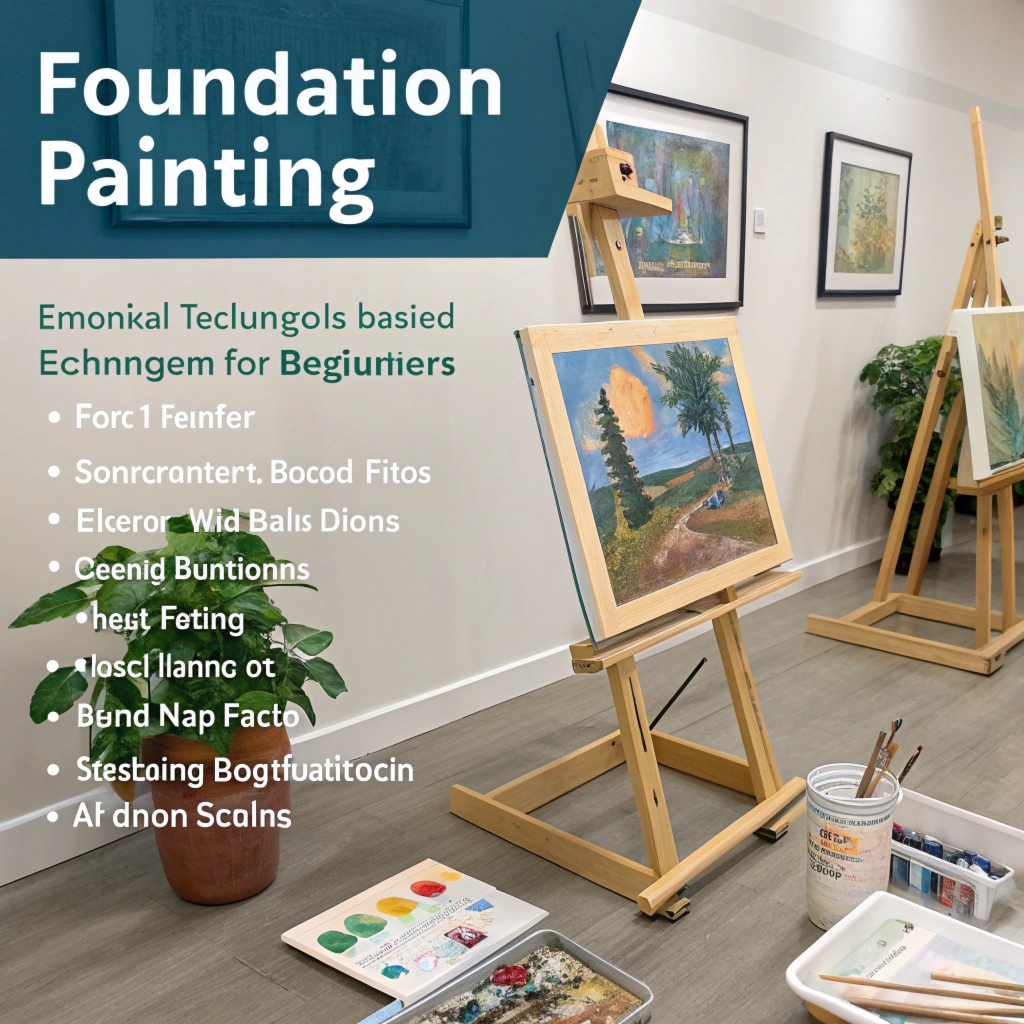
Setting Up Your Workspace

Creating an Effective Studio Space

Your workspace significantly impacts your painting practice. Good lighting is essential—natural north light is ideal, but quality artificial light works well too.

Organize your materials so they're easily accessible. A clean, organized space reduces distractions and helps you focus on painting. Consider storage solutions that keep paints, brushes, and canvases organized.

Ensure adequate ventilation, especially when using oil paints. A well-ventilated space protects your health and allows paints to dry properly.

Painting workspace setup

Tracking Your Progress

Keeping a record of your work helps you see progress over time. Photograph your paintings regularly, even exercises you're not completely satisfied with. These images become a valuable record of your development.

Review your earlier work periodically. You'll notice improvements in technique, color mixing, and composition that may not have been apparent at the time. This review process builds confidence and helps you identify areas for continued focus.

Consider keeping a painting journal where you note techniques you've tried, color combinations that worked well, and observations about your process. This written record complements your visual work and deepens your understanding.